
Resource Library Logo

Ready-to-use lessons, tools and downloads to help teachers today.

Monthly Toolkits Tip of the Week
Trending Topics Printables Videos CAFE Menu Strategies Math Strategies Favorites Search
The Teaching Practice Logo

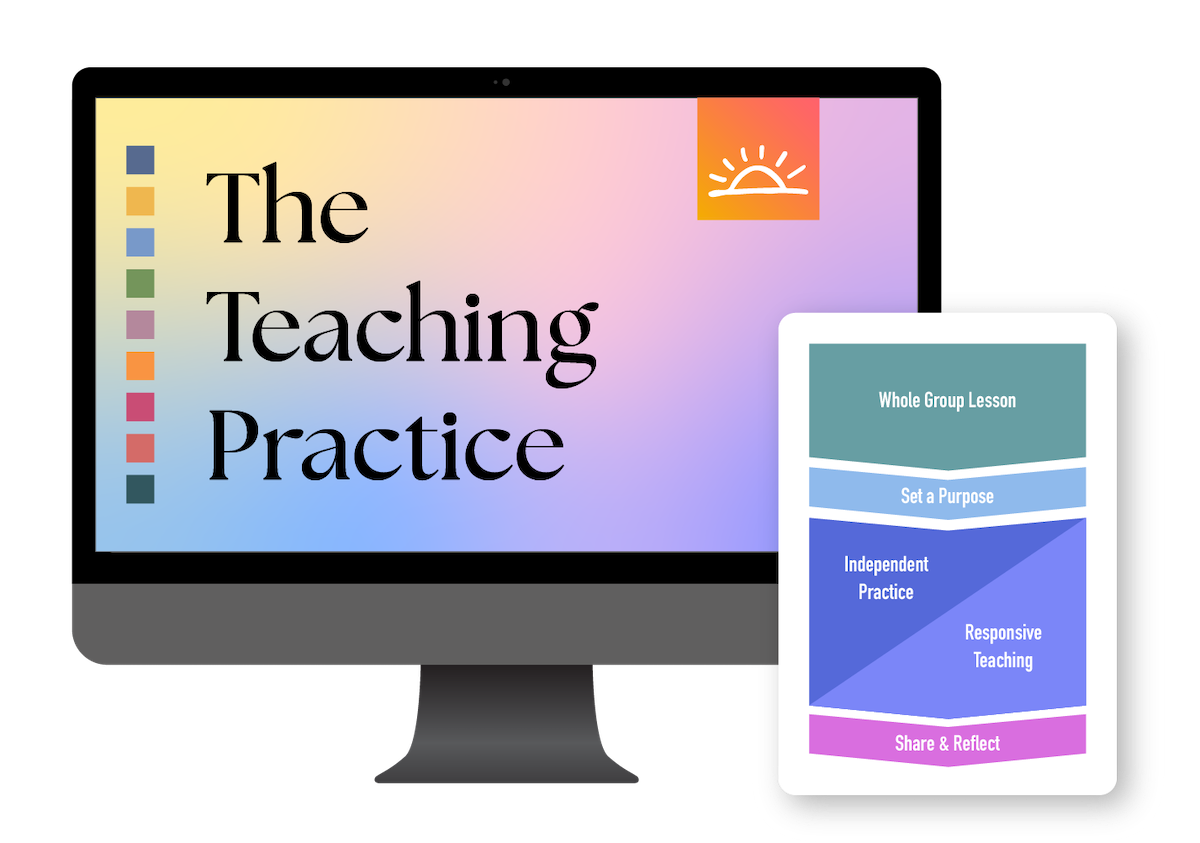
A learning platform for teachers to study the foundations of effective teaching so lessons transfer into student work and students stay engaged independently.

Member Home Explore Membership Buy More Licenses Buy with Purchase Order Get a Quote
Prepared Classroom Logo

Our approach to teaching and learning using evidence-based practices.

Buy the Book Daily 5 & CAFE About Prepared Classroom
Conferring Notebook Logo

Record notes from student conferring sessions using this online tool.

Login Buy Membership
BLOG

Using Prepared Classroom Alongside the Science of Reading

By Gail Boushey Published: 5/1/2025 Updated: 6/28/2026

The Science of Reading is grounded in research about how kids learn to read. It emphasizes explicit, systematic instruction in phonemic awareness, phonics, fluency, vocabulary, and comprehension. But here’s the thing: 

Even the best reading instruction can fall flat if the classroom environment and routines don’t support it.

That’s where Prepared Classroom comes in.

Prepared Classroom isn’t a reading program or curriculum. Instead, it’s a flexible, instruction-focused framework built around eight evidence-based practices that help create the right conditions for all learning to thrive. Let’s take a look at how Prepared Classroom complements the Science of Reading practices:

  1. Strong Teacher-Student Relationships 
    When students feel seen and supported, they’re more willing to take academic risks, ask questions, and push through difficult tasks. 
    SoR Connection: Positive relationships boost motivation and engagement—critical for readers who may struggle or feel discouraged. 

     
  2. A Learning-Ready Environment 
    Prepared Classroom encourages classrooms that are calm, organized, and filled with helpful visuals. 
    SoR Connection: Things like sound walls, anchor charts, and word walls support orthographic mapping, vocabulary development, and concept retention. An uncluttered space reduces distractions and helps students access what they need. 

     
  3. Clear Routines and Expectations 
    When students know what to expect—how to transition, where materials are, what their responsibilities are—they can devote more mental energy to the learning itself. 
    SoR Connection: Predictability and structure allow students to focus during guided reading, phonics work, or shared reading time. Less time managing behavior = more time teaching reading. 

     
  4. Purposeful Independent and Collaborative Work 
    Students need meaningful opportunities to work on their own and with others. Prepared Classroom emphasizes giving students intentional tasks that extend or reinforce direct instruction. It's about purpose over busywork. 
    SoR Connection: The Science of Reading highlights the value of deliberate practice. Whether it’s decoding practice, vocabulary games, or fluency reading, independent work reinforces explicit teaching. Collaborative tasks give students chances to talk through texts, explain strategies, and grow comprehension. 

     
  5. Brief and Focused Lessons 
    Students don’t need long lessons—they need clear, intentional ones. 
    SoR Connection: Structured literacy thrives on direct, focused teaching. Short, powerful mini-lessons keep students engaged and leave room for guided practice, conferring, and application 

     
  6. Conferring 
    Checking in with students one-on-one or in small groups helps personalize instruction and deepen learning. 
    SoR Connection: Conferring supports responsive instruction. When you’re able to listen to a student read, coach them through a decoding error, or guide them through a comprehension strategy, you’re doing exactly what SoR recommends: real-time support that meets students where they are. 

     
  7. Progress Monitoring and Accountability  
    Prepared Classroom highlights the power of checking in regularly. Data helps guide instruction—but it also helps students own their learning. 
    SoR Connection: Ongoing assessment and responsive instruction are cornerstones of Science of Reading-aligned teaching. Whether it’s fluency checks, phonics screeners, or comprehension interviews, monitoring progress helps you adjust instruction and celebrate growth. 

     
  8. Authentic Transfer 
    We want students to use what they’ve learned, across subjects, settings, and tasks. 
    SoR Connection: Transfer happens when students apply decoding strategies in real texts, use vocabulary in their writing, or explain what they’ve learned to others. These aren’t isolated skills, they’re tools for meaningful communication

Prepared Classroom isn’t about doing more. It’s about creating a classroom where routines are strong and students are engaged. It’s about teaching in a way that helps your students learn better—because the systems, routines, and supports are already in place. And, while it isn’t literacy-focused by design, it absolutely amplifies Science of Reading instruction by creating the structure and environment students need to thrive.

When your classroom is calm, clear, and focused, your students have the space, and support, they need to do the hard, rewarding work of becoming confident, capable readers.

FREE DOWNLOAD
5 Lessons to Strengthen Independence in 5 days

Quick lessons you can teach in 10 mins/day so students take responsibility for their learning and rely on you less.

Get the Lessons

« Back to Blog

A Clear Path Forward in Your Teaching

Teaching is complex. And the challenges teachers are navigating right now are real.

Strong programs, new mandates, and growing expectations have changed what classrooms look like. Yet the foundations of effective teaching remain the same.

Students need to practice independently.
Teachers need time to respond to learners.
Learning needs structure to carry forward.

These are skills that can be built.

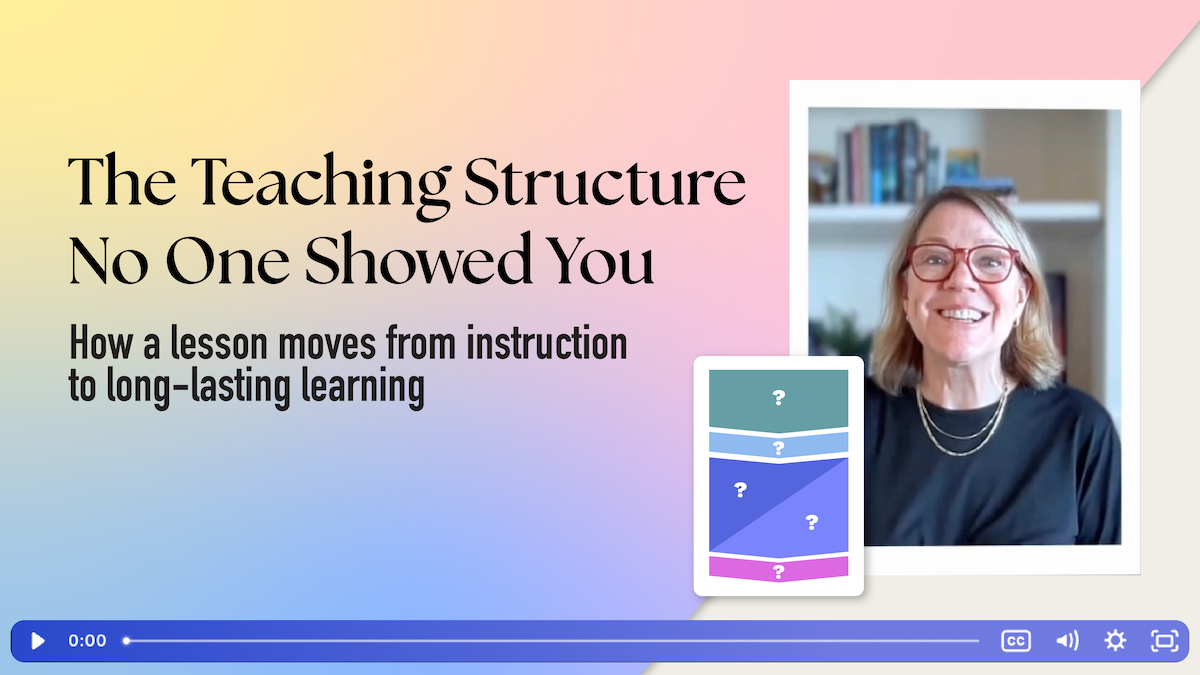
At Teach Daily, we focus on the structure of teaching. How lessons, independent practice, and responsive conferring work together across a day so learning lasts.

Choose your next move:
Save Favorite

Login or create a free account to save your favorites.

LoginCreate Account