For years, we have talked about building stamina as we teach students to work independently.
What I know now is that engagement is a more precise way to describe what we are really building.
Stamina tells us how long students can keep going. Engagement tells us what is happening during that time.
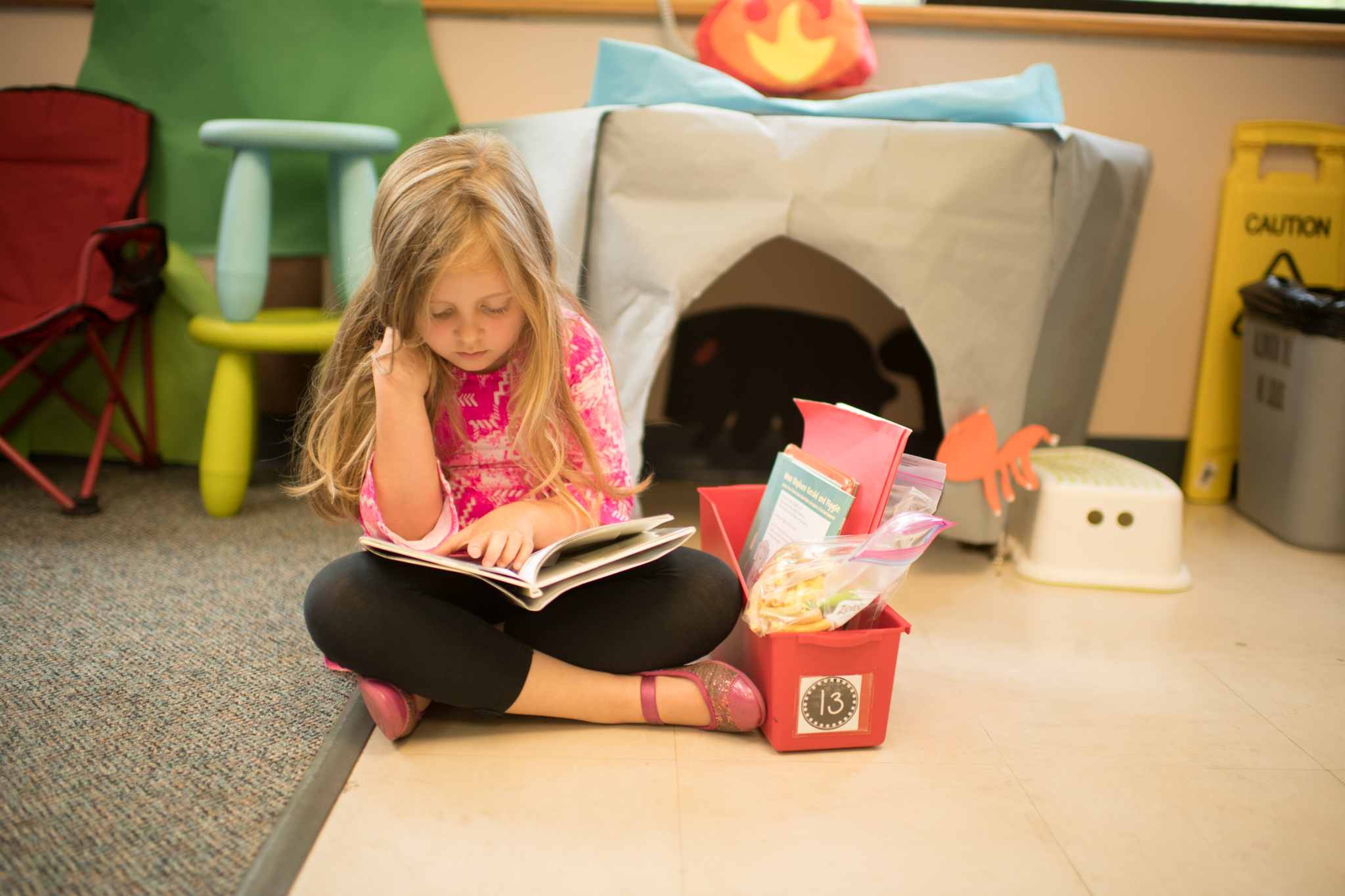
A student can sit with a book for 15 minutes and barely read. Another can be completely focused and immersed for three minutes. It is that focused engagement we want to build.
John Hattie’s Visible Learning research describes flow as complete immersion and engagement in an activity, with focus and intrinsic motivation. Programs designed to enhance students’ sense of flow are reported with an effect size of 1.05, with considerable potential to accelerate student achievement.
That word enhance caught my attention.
Flow is something we can intentionally help students develop.
That is exactly what we are doing with the 10 Steps to Teaching and Learning Independence.
We teach students the specific behaviors of independent learning. We model them. Students practice for a short period of time while we observe. We bring them back, reflect together, and give them another opportunity to practice.
At the beginning of the year, a class may have one minute of true engagement. Wonderful. Give them that successful minute. Stop them before engagement breaks down while they are still focused and name what they just felt. Take a brain break, teach again, and give them another opportunity to get back into the flow. Then, increase the time.
One minute becomes two. Two becomes four. As students experience what focused, independent learning feels like, we gradually extend the time.
We are teaching students how to get into the flow of learning.
Try This This Week
Set a stopwatch and watch your students. Look for focus, engagement, and independence.
Stop while engagement is strong and notice how long that was. Give students repeated experiences with successful, focused learning.
Reflect together. Ask, “What did it feel like when we were really focused?”
Extend from success. Add time as students demonstrate they can sustain their engagement.
The goal is bigger than reaching a certain number of minutes.
We are helping students learn how to focus, regulate their attention, and become deeply engaged in meaningful work. This is at the heart of the High-Impact Practice of Independent Learning. Students need repeated opportunities to experience what focused learning feels like and learn how to sustain it on their own.
We are teaching students how to get into the flow of learning and eventually stay there.
That is why these first short practice rounds are so important. One focused minute is building the habits of engagement and independence students will use all year long.
We used to watch the minutes. Now we watch the learner.
Gail
This article might be missing links that were included at the time of publication.